


Boost cloud security by combining Google SCC with co-managed IT for real-time threat detection and compliance.

August 18, 2025
.avif)
.avif)
.avif)
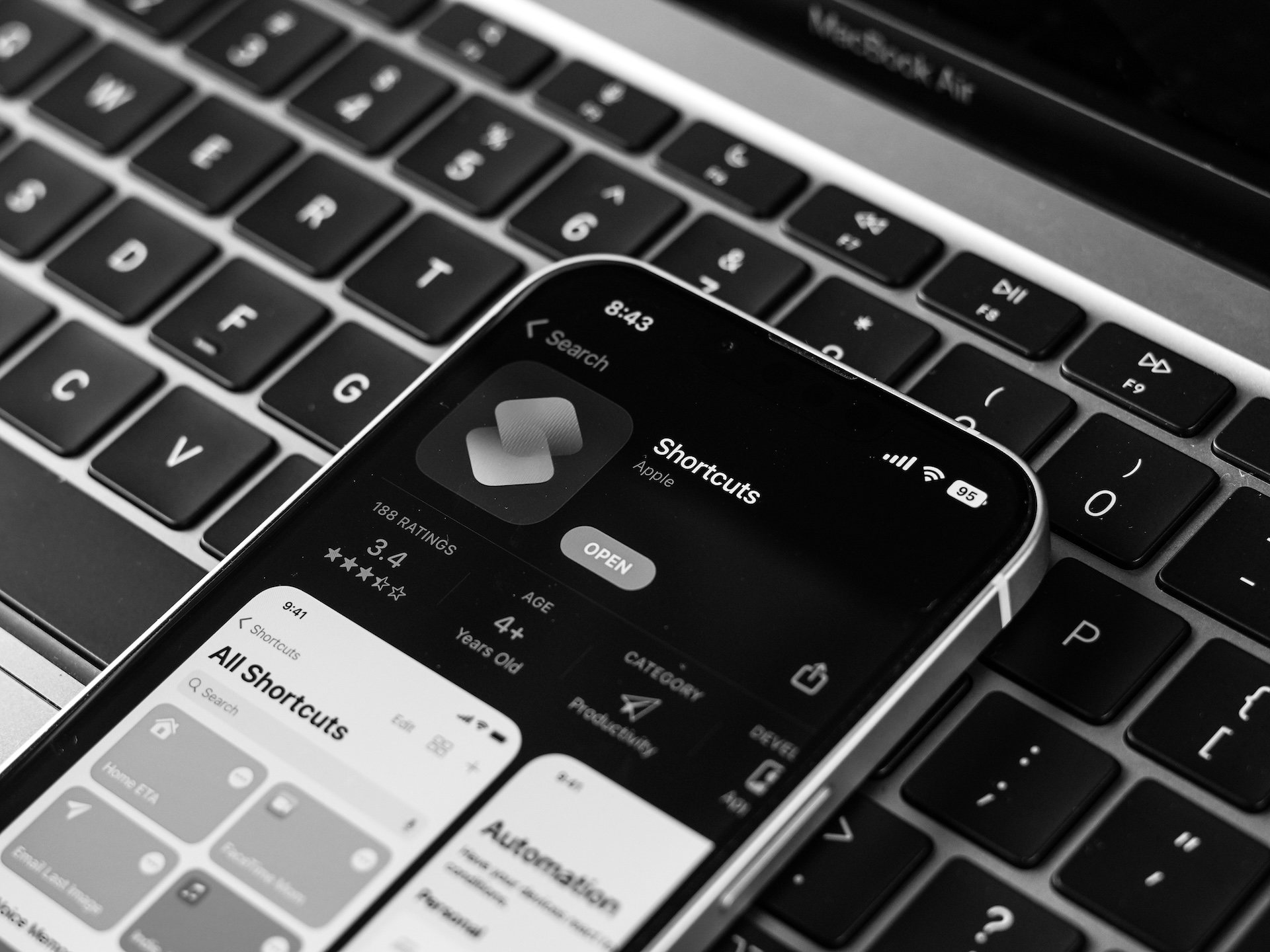
Epic, an industry-leading healthcare data management software, has become compatible with Apple products, including the MacOS laptops.
With this simple access granting, healthcare systems have a new weapon to their advantage to fight against their patients' illnesses.
Before the recent software upgrades, Epic’s applications were only compatible with PC laptops. Accessing Epic software through a Mac requires a time-consuming process, such as using a Mac to control a PC laptop separately.
Finally, hospitals with Macs no longer have to deal with this hassle.
Epic comes to the Mac for the first time without needing additional software layers or PC laptops. Each program can be used solely with a Mac computer with a simple download online or from the Apple App Store.
Utilizing Epic on Macs has already made massive strides for healthcare systems, as it brings in numerous newfound advantages for hospitals who rely on MacOS products.
Epic’s various modules have benefited hospitals due to their easy navigation structure and increased efficiency. With its latest move to become compatible with Macs, Epic’s applications have reached new heights in accessibility.
Healthcare systems finally have more options over which computer hardware to use, regardless of a Mac or PC. Previously, Mac-based healthcare systems would be able to navigate Epic with less hassle, and PC-using systems would have the option to switch to Mac, which before Epic’s development would’ve been challenging for any system that relied on Epic.
Epic will also be compatible with Apple devices' Cloud capabilities, enabling it to use duplicate Epic accounts on other Apple devices such as iPhones and iPads.
This ability to switch provides even more options for healthcare workers to provide service as best as they see fit, as providers can easily switch between devices with their cloud capabilities for quicker access to patient information and the ability to use Epic while on the go.
Using Macs instead of PCs goes far beyond operational preference, as utilizing Epic on Mac products also benefits healthcare systems’ bottom line.
Macs have far lower operating costs than PCs and also have a lower software licensing fee for Epic. Macs also require less power than PCs, lowering hospital energy costs.
With healthcare systems typically requiring thousands of computers, the difference in pricing can quickly compound to massive savings.
Quickly after Epic’s jump to Mac hardware, major healthcare systems wasted no time taking advantage of its incredible perks.
Emory Healthcare, a health system based in Atlanta, GA, was the first to use Epic on a large scale, putting it in all 11 hospitals to increase their overall flexibility in how their healthcare providers used Epic’s applications to treat their patients.
After Emory Healthcare trailblazed the path to integrating Epic for Mac into their treatments, many other healthcare systems have also found success, including:
However, using this new software requires new responsibilities. To best utilize using Epic on Macs, your hospital staff must understand the ins and out of using MacOS products.
While Macs are effective laptops that are typically easy to use, it is important to always be prepared for any IT problems that may arise.
Not being able to access the proper information in a timely manner for your patients can be catastrophic and can lead to mistakes that your hosptial cannot afford to have. If your staff lacks the IT support, they may have difficulty accessing the Epic applications on Mac and further more be restricted in how they can assist their patients.
Get ahead of your healthcare systems IT challenges by partnering with POINT.
POINT is one of a few enterprise-grade Mac management IT providers built to handle all software difficulties that may arise when your healthcare system switches to Mac.
If you want to keep your Macs smoothly operating and take advantage of the incredible abilities of the Epic applications, bring on POINT to protect your technological infrastructure.
Contact us today to learn how we will reinforce your hospital’s hardware.